
Introduction
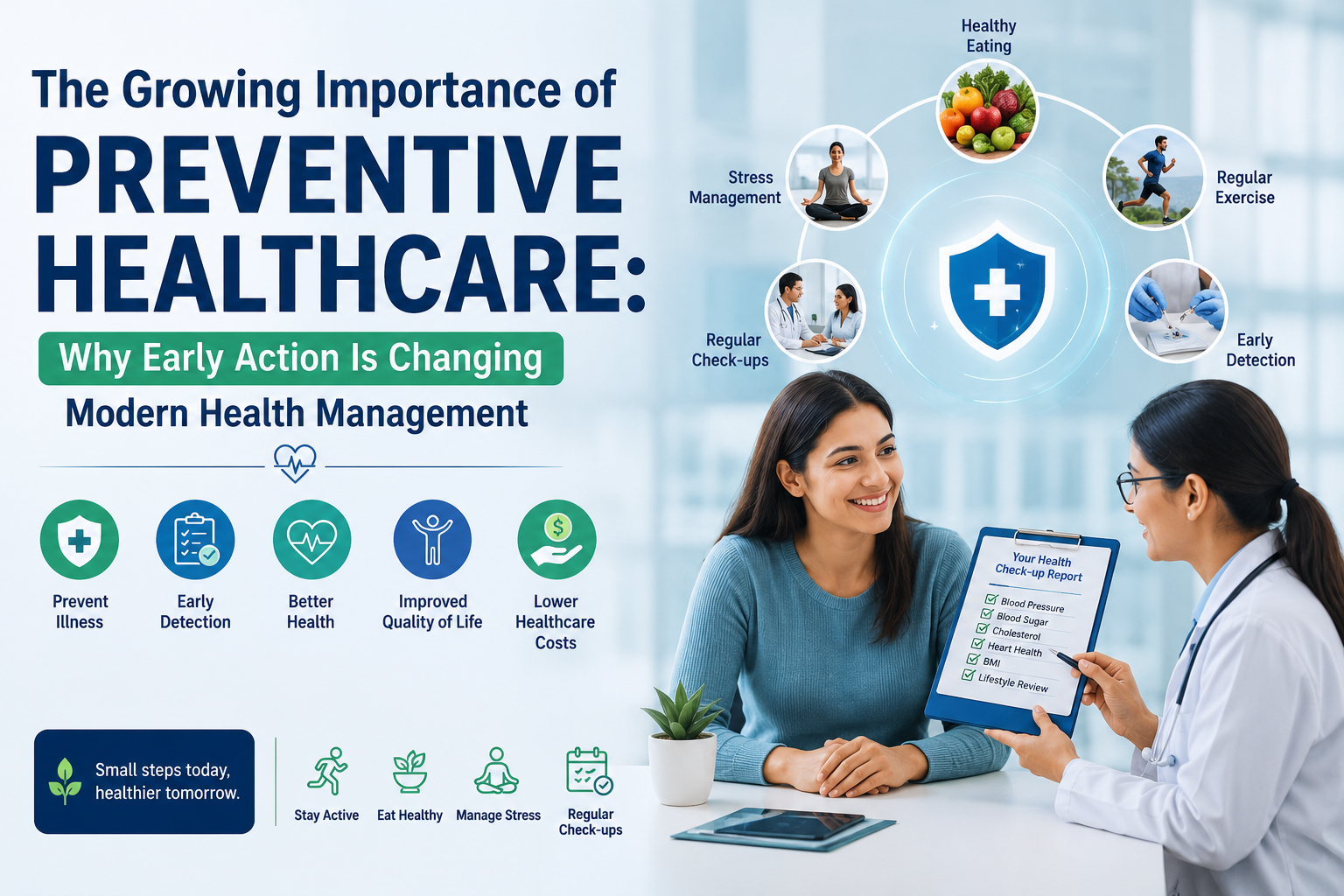
Healthcare has traditionally focused heavily on treating illnesses after they appear. However, growing awareness about lifestyle-related health risks, regular screening and early detection is encouraging a shift toward preventive healthcare. Instead of waiting for symptoms to become serious, individuals are increasingly being encouraged to monitor their health, understand potential risk factors and make informed lifestyle choices.
Preventive healthcare does not mean avoiding medical treatment. Rather, it focuses on reducing avoidable risks, detecting potential problems earlier and supporting better long-term health outcomes. As healthcare systems become more technology-driven and health information becomes more accessible, prevention is becoming an increasingly important part of modern health management.
Prevention Starts Before Symptoms Appear
One of the central ideas behind preventive healthcare is that some health problems can be identified before they become severe. Regular health check-ups and appropriate screenings can help identify potential concerns at an earlier stage.
The specific tests a person needs depend on factors such as age, family history, lifestyle and individual risk. Medical professionals can help determine which screenings are appropriate.
Early identification can sometimes make treatment more manageable and may provide individuals with more options for addressing a health concern.
Lifestyle Has a Major Role
Everyday habits can influence long-term health. Diet, physical activity, sleep, stress management and substance use are among the factors that can affect overall wellbeing.
A balanced approach to nutrition, regular physical activity and adequate rest can support general health. However, preventive healthcare should not be reduced to simplistic lifestyle advice. Individual circumstances vary, and people with specific health concerns should seek guidance from qualified healthcare professionals.
The larger message is that health is influenced by daily choices as well as medical care.
Technology Is Making Monitoring Easier
Digital technology is changing how people monitor aspects of their health. Wearable devices can track indicators such as physical activity, heart rate and sleep patterns. Mobile applications can help users record exercise, nutrition or medication schedules.
Telemedicine has also made it easier for some patients to communicate with healthcare professionals without travelling to a clinic for every consultation.
These technologies can support health awareness, but they should not be treated as replacements for professional diagnosis. Digital measurements can sometimes be incomplete or inaccurate, and concerning symptoms require appropriate medical evaluation.
The Importance of Regular Check-Ups
People sometimes avoid medical check-ups because they feel healthy or worry that a medical visit is unnecessary. Yet some health conditions can develop without obvious symptoms.
Regular check-ups can provide an opportunity to discuss concerns, review risk factors and determine whether screening is appropriate.
The frequency of medical visits depends on individual circumstances. A healthcare professional can provide guidance based on age, medical history and other relevant factors.
Mental Wellbeing Is Part of Preventive Health
Preventive healthcare increasingly includes mental and emotional wellbeing. Stress, prolonged work pressure, social isolation and poor sleep can affect overall quality of life.
Maintaining social connections, taking appropriate breaks and seeking professional support when needed can contribute to healthier living.
Mental wellbeing should not be treated as separate from physical health. Both are connected aspects of overall wellbeing.
Health Literacy Matters
Access to healthcare information has expanded significantly, but more information does not automatically mean better understanding. People can encounter misleading claims, exaggerated health advice and unreliable information online.
Health literacy therefore matters. Individuals need to understand how to evaluate health information and recognise when professional medical advice is necessary.
Reliable healthcare institutions, qualified professionals and evidence-based resources can help people make better-informed decisions.
Prevention Can Benefit Communities
Preventive healthcare can also have broader social benefits. When health risks are identified earlier and people adopt healthier behaviours, communities may experience reduced pressure on healthcare services.
Public health programmes such as vaccination, health education, screening initiatives and awareness campaigns can contribute to prevention at a population level.
These efforts are particularly important because not everyone has equal access to healthcare. Preventive programmes can help reach communities that may otherwise face barriers to regular medical care.
Building Sustainable Health Habits
Preventive healthcare is most effective when approached as a long-term process rather than a temporary goal. Extreme lifestyle changes may be difficult to maintain.
Small, realistic improvements can be more sustainable. Regular movement, balanced meals, adequate sleep and appropriate medical check-ups can become part of an individual's routine over time.
The focus should be on consistency rather than perfection.
Conclusion
Preventive healthcare represents an important shift toward taking action before health problems become more serious. Regular check-ups, appropriate screening, healthier lifestyle choices, mental wellbeing and responsible use of technology can all contribute to a more proactive approach to health.
Prevention cannot eliminate every illness or health risk, but it can help people become more aware of their health and seek appropriate support earlier.
As healthcare continues to evolve, the future will increasingly depend not only on better treatments but also on helping individuals and communities understand how to protect and manage their health over the long term.